Dynamics of gold and silver pricing: what to know

The dynamics of gold and silver pricing are influenced by economic indicators, industrial demand, geopolitical events, and investor behavior, making them essential assets for investment strategies.
Dynamics of gold and silver pricing can significantly affect both investors and consumers. Have you ever wondered why these metals fluctuate so much? In this article, we will dive into the factors that drive their value and how you can benefit from understanding these dynamics.
Factors influencing gold pricing
When considering the factors influencing gold pricing, it’s essential to recognize several key elements that drive changes in the market. These factors not only shape the price of gold but also reflect broader economic trends.
Economic Indicators
Various economic indicators play a pivotal role in determining gold prices. For instance, inflation rates, unemployment statistics, and GDP growth all influence investor sentiment. When these indicators signal economic uncertainty, investors often turn to gold as a safe haven, increasing its demand and price.
Interest Rates
Another crucial factor is the influence of interest rates. When interest rates are low, the opportunity cost of holding gold decreases. This means that gold becomes more attractive to investors. As rates rise, gold may lose its appeal, leading to lower prices.
Moreover, central bank policies also contribute significantly to gold pricing. For example, if a central bank signals plans to raise interest rates, this can lead to a decrease in gold prices as investors seek higher yields elsewhere.
Global Events
Global political and economic events also affect gold pricing. Tensions, conflicts, or significant changes in government can drive up demand for gold as a secure asset. Investors often flock to gold during times of instability, which can lead to sharp price increases.
The impact of silver demand

The impact of silver demand on its pricing is significant and multifaceted. Recognizing how demand influences the market can help investors make informed decisions. Silver, known for its industrial applications as well as its role as a precious metal, sees various factors driving its demand.
Industrial Uses
A major driver of silver demand comes from its industrial uses. Industries utilize silver for its unique properties, such as conductivity and reflectivity. This usage can vary depending on technological advancements and market needs.
Investment Demand
Another crucial factor is the investment demand for silver. During times of economic uncertainty, investors often seek silver as a protective asset. The rising popularity of silver in exchange-traded funds (ETFs) has further increased its demand.
When silver prices are perceived as low, more investors may enter the market to buy, anticipating a rise. This behavior can create a cycle of increased demand and price appreciation.
Market Trends and Speculation
Market trends and speculation also significantly contribute to the fluctuations in silver pricing. Various news reports and trends can sway investor interest and lead to sudden spikes in demand. For example, a new technology that requires silver can lead to increased production and pricing.
Historical trends in precious metals
Examining historical trends in precious metals provides valuable insights into price movements and market behavior. Precious metals like gold and silver have been important for trade and investment for centuries. Understanding their history can help predict future trends.
Gold Prices Over the Decades
Gold has traditionally been viewed as a safe haven asset. Its price has seen notable fluctuations over the decades due to various factors, including economic instability and geopolitical events. For example, during the 1970s, gold prices soared due to inflation and oil crises.
Silver Price Dynamics
Silver has also experienced significant price changes through history. Unlike gold, silver has both investment and industrial demand, making its price more volatile. The rise of technology and renewable energy has increased silver’s industrial importance, affecting its value.
In the 1980s, the Hunt brothers attempted to corner the silver market, leading to dramatic price spikes. In the past two decades, the growing demand for silver in electronics and solar energy has shaped its market dynamics.
Investment Behavior
Investor behavior often reflects economic conditions, impacting historical trends of precious metals. For example, during crises, investors flock to safe-haven assets like gold, leading to sharp increases in prices.
Investment strategies for gold and silver
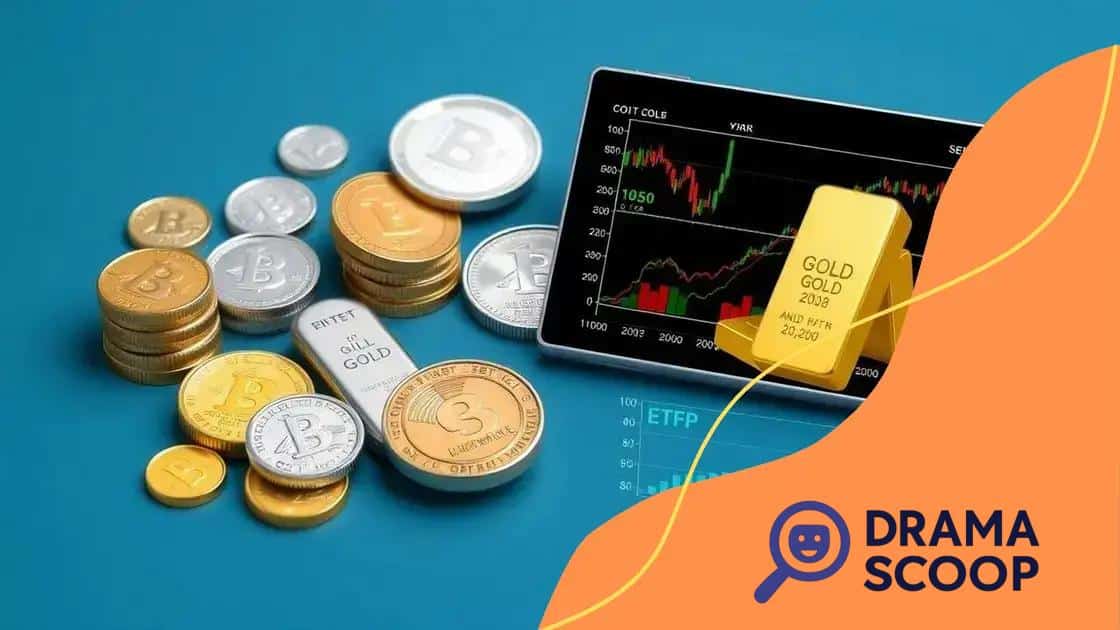
Understanding investment strategies for gold and silver is essential for maximizing returns and managing risk. Investors often seek these precious metals as a hedge against inflation or economic uncertainty, making them valuable components of a diversified portfolio.
Direct Investment
One of the most straightforward approaches is to invest directly in physical gold and silver. This can be done by purchasing coins, bullion, or bars. Owning physical metals allows investors to have a tangible asset that can be a safeguard in uncertain times.
Exchange-Traded Funds (ETFs)
Another effective strategy is investing in exchange-traded funds (ETFs) that track the prices of gold and silver. ETFs provide an easy way for investors to gain exposure to these metals without the need for physical storage.
When selecting an ETF, it’s wise to look at the fund’s expense ratio and the volume of trading. A well-managed ETF can offer liquidity and lower costs compared to direct investments.
Diversification and Timing
Diversification is key to any investment strategy. Combining gold and silver with other asset classes can help balance risks. Additionally, timing the market can be challenging. Many investors choose to dollar-cost average by investing a fixed amount periodically, which can reduce the impact of volatility.
In conclusion, investing in gold and silver involves understanding market dynamics and strategies. By utilizing both direct investments and exchange-traded funds, you can effectively diversify your portfolio. It’s essential to monitor market trends and be aware of external factors that influence the prices of these precious metals. With careful planning and informed decision-making, you can enhance your investment journey and benefit from the unique advantages that gold and silver offer.
FAQ – Frequently Asked Questions about Investing in Gold and Silver
What are the main benefits of investing in gold?
Gold is a safe haven asset that can protect against inflation and economic downturns, adding stability to your investment portfolio.
How can I invest in silver?
You can invest in silver by purchasing physical silver coins and bars or by investing in silver exchange-traded funds (ETFs) that track its price.
What factors influence the prices of gold and silver?
Prices are influenced by economic indicators, investor demand, industrial uses, and geopolitical events that create uncertainty.
What is dollar-cost averaging in precious metals investment?
Dollar-cost averaging involves investing a fixed amount of money regularly, which helps reduce the impact of market volatility on your investments.