College-credit high school program expands access to education

A college-credit high school program expands access to education by allowing students to earn college credits while completing their high school requirements, providing financial savings and enhancing academic readiness.
College-credit high school program expands access to essential educational resources, helping students achieve more before graduation. Have you ever wondered how these programs can reshape a student’s academic path? Let’s dive in.
Understanding college-credit high school programs
Understanding college-credit high school programs can open doors for many students. These programs allow high schoolers to take courses that count for both high school and college credit. As a result, students can get a head start on their college education while still finishing their high school requirements.
How Do College-Credit Programs Work?
Typically, these programs are offered through partnerships between high schools and local colleges or universities. Students enroll in courses that are designed to be part of a college curriculum. Classes might include subjects like math, science, and literature.
- Dual enrollment is a common format.
- Classes may be taught at the college or high school.
- Grades earned usually affect both high school and college GPAs.
This unique setup allows students to experience college-level coursework while being supported in a familiar environment. Many students find that taking these classes builds their confidence and prepares them for future academic challenges.
Benefits of Participating in These Programs
There are several benefits to enrolling in a college-credit high school program. First, students can save time and money by earning college credits early. This can ease their transition into college. Additionally, they can explore different subjects, helping them decide on a possible major.
- Students enhance their resumes.
- They develop crucial study skills.
- Early college exposure can motivate students.
Involvement in these programs often leads to increased academic success. Students often report feeling more prepared for college-level work, which can lead to higher retention rates in college.
Key benefits for students and families

Participating in college-credit high school programs offers numerous advantages for both students and their families. These programs are designed to bridge the gap between high school and college, making the educational journey smoother and more efficient. Students can experience college-level courses while still being supported by their high school environment, which can lead to a higher likelihood of academic success.
Financial Savings
One of the standout benefits is the financial savings involved. By earning college credits in high school, families can significantly reduce the cost of college tuition. Each course taken can translate to money saved in the long run.
- Reduced overall college tuition costs.
- Potential for scholarships based on earned credits.
- Less debt for students post-graduation.
Saving money is essential for families, and college-credit programs provide an excellent opportunity to lessen the financial burden of higher education.
Enhanced Academic Readiness
Another key benefit is the improved academic readiness of students. Being exposed to rigorous coursework early helps students develop the skills necessary for college success. They learn to manage their time and balance responsibilities, which are essential skills for any collegiate environment.
- Development of critical thinking skills.
- Improved study habits from early exposure.
- Increased motivation to pursue higher education.
This early exposure often results in higher retention rates in college and a smoother transition from high school to college life.
Families also find that students who engage in these programs tend to have greater overall confidence. Knowing that they can handle college coursework while still in high school boosts their self-esteem and encourages them to aim higher in their future academic endeavors.
How these programs work in different states
Understanding how college-credit high school programs work can vary significantly from one state to another. Each state has its own policies, regulations, and partnerships that shape how these programs operate. While the basic idea remains consistent—allowing high school students to earn college credits—details can differ widely.
State Variations in Program Structure
In some states, programs are structured through partnerships between high schools and local colleges. For instance, in California, community colleges offer dual enrollment options where students can attend classes on campus. In contrast, some states might have arrangements that allow high schools to teach college-level courses directly on campus.
- Florida has a widespread dual enrollment program with a clear pathway to college.
- Texas emphasizes a strong collaboration between high schools and technical colleges.
- New York offers flexible options, from online courses to in-person classes.
Such variations mean that students need to understand their local options to take full advantage of college-credit opportunities.
Eligibility and Enrollment Processes
Eligibility requirements can also differ by state. In some states, students may need to maintain a certain GPA to enroll in college-credit programs. Others might require placement tests to ensure the student is ready for college-level coursework. Enrollment processes can vary significantly; typically, students may need to fill out applications through their high school and the partnering college.
- In Connecticut, students must gain approval from a school counselor.
- Michigan requires a signed permission form from parents or guardians.
- Ohio has specific eligibility criteria based on academic performance.
These requirements can influence how accessible these programs are for students. Therefore, knowing the specifics in each state helps families navigate the available options effectively.
Overall, understanding the intricacies of each state’s programs can empower students and families to make informed decisions about their educational futures. By being aware of how these programs differ, they can better plan and take advantage of the opportunities available to them.
Challenges and success stories from participants
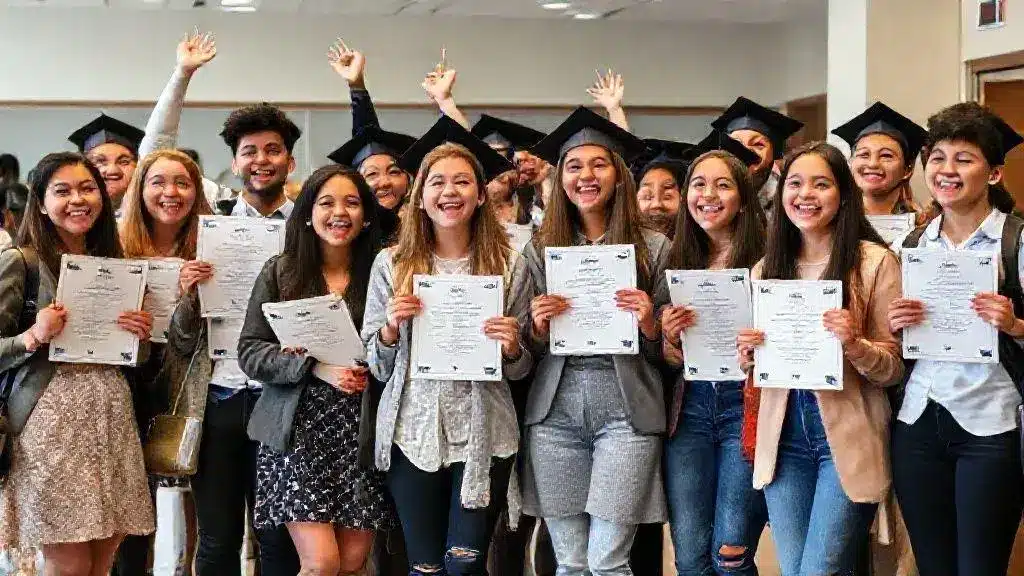
While college-credit high school programs afford many benefits, challenges also arise for participants. Understanding both sides is crucial for prospective students and their families. Some students may find the coursework demanding, as it often mirrors true college-level expectations. This can create a feeling of being overwhelmed, particularly for first-time learners who are not used to the pace and intensity.
Common Challenges Faced
Students may face several hurdles while enrolled in these programs. Time management is a significant issue. Juggling high school responsibilities along with college courses can cause stress. Additionally, some students might struggle with the subject matter, as it can be more complex than regular high school classes.
- Difficulty managing time between high school and college courses.
- Feeling overwhelmed by the challenging coursework.
- Lack of support and guidance from teachers or counselors.
These issues can discourage students from fully engaging with the program, limiting the potential benefits. It is important for schools to provide resources and support to help students navigate these challenges effectively.
Success Stories that Inspire
On a brighter note, many students have thrived in college-credit programs and have fantastic success stories to share. One such student, Sarah, took advantage of her school’s dual enrollment program and earned credits in mathematics. She later graduated high school with enough credits to enter college as a sophomore, saving both time and money.
- Students often report increased confidence in their academic abilities.
- Many have been accepted into competitive universities due to their strong performance.
- They also gain valuable skills that boost their future job prospects.
These success stories highlight the transformative potential of college-credit programs. With determination and the right support, students can overcome challenges and seize the opportunities these programs provide. Hearing from peers who have excelled can motivate current students and help them stay focused on their goals.
In conclusion, college-credit high school programs present a valuable opportunity for students to advance their education while still in high school. Despite the challenges that come with balancing rigorous coursework, the success stories of many participants illustrate that the benefits can far outweigh the difficulties. Students who engage in these programs tend to save money, gain confidence, and become better prepared for their future studies. With support from their schools and families, students can navigate both the challenges and rewards of these programs, paving the way for a brighter academic journey.
FAQ – Frequently Asked Questions About College-Credit High School Programs
What are college-credit high school programs?
These programs allow high school students to take college-level courses and earn credits that count towards both their high school diploma and college degree.
How can these programs benefit students financially?
By earning college credits early, students can save money on tuition costs and possibly graduate from college faster, reducing overall education expenses.
What challenges might students face in these programs?
Students may encounter difficulty with the rigorous coursework and time management between high school and college responsibilities.
Are there success stories from participants in these programs?
Yes! Many students have successfully graduated high school with significant college credits, which gives them a head start in their college education and increases their confidence.