Future K-12 Education: 5 EdTech Trends Shaping Classrooms in 2026
The Future of K-12 Education: 5 EdTech Trends Shaping Classrooms in 2026
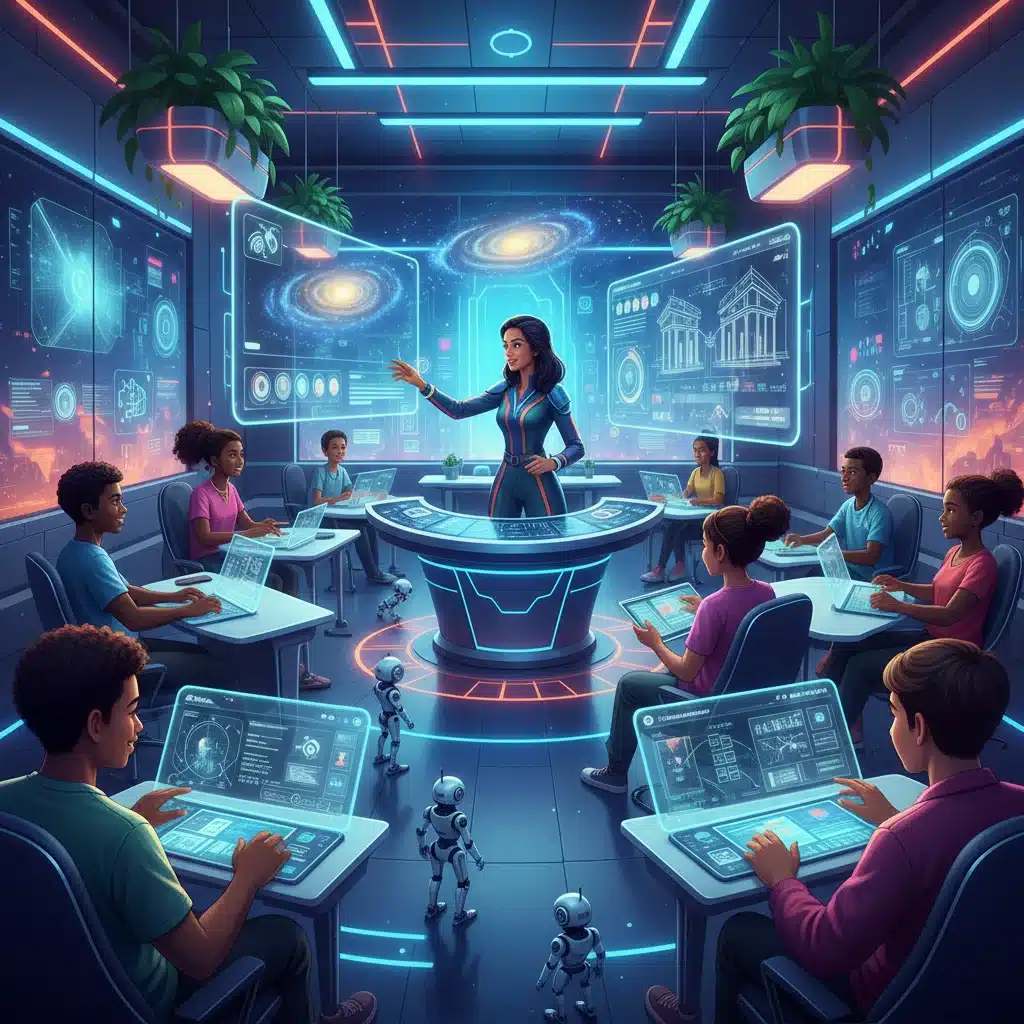
The landscape of K-12 education is on the cusp of a monumental transformation, driven by rapid advancements in educational technology. As we look towards 2026, it’s clear that classrooms will be far different from what many of us experienced. The integration of cutting-edge EdTech isn’t just about adding screens; it’s about fundamentally rethinking how students learn, how teachers teach, and how educational systems operate. This article delves deep into five pivotal K-12 EdTech Trends that are not only emerging but are set to redefine the educational experience for millions of students worldwide. Understanding these trends is crucial for educators, policymakers, parents, and technology providers alike, as they represent the blueprint for future-ready learning environments.
The past few years have accelerated the adoption of technology in education out of necessity, but this acceleration has also laid the groundwork for more intentional and impactful integration. From personalized learning pathways powered by artificial intelligence to immersive virtual reality experiences that bring abstract concepts to life, the tools available to educators are becoming increasingly sophisticated. These advancements promise to address long-standing challenges in education, such as engagement, accessibility, and equitable access to quality instruction. By examining these trends, we aim to provide a comprehensive overview of what to expect and how to prepare for the exciting evolution of K-12 education.
1. Artificial Intelligence (AI) and Machine Learning (ML) in Personalized Learning
Artificial Intelligence (AI) and Machine Learning (ML) are not just buzzwords; they are rapidly becoming foundational elements in shaping personalized learning experiences within K-12 education. By 2026, AI’s role will extend far beyond simple adaptive quizzing, evolving into sophisticated systems that can truly understand individual student needs, learning styles, and progress. This trend is perhaps the most transformative among the emerging K-12 EdTech Trends, promising to unlock unprecedented levels of individualized instruction.
Adaptive Learning Platforms
At the core of AI’s impact are adaptive learning platforms. These platforms utilize ML algorithms to analyze student performance data in real-time, identifying areas where a student excels and where they struggle. Based on this analysis, the system can dynamically adjust the curriculum, providing tailored content, exercises, and remediation. For instance, if a student consistently masters geometry concepts but struggles with algebra, the platform can automatically provide more algebra practice and different instructional approaches, while moving faster through geometry topics. This ensures that every student is challenged appropriately, preventing boredom for advanced learners and frustration for those who need more support.
Intelligent Tutoring Systems (ITS)
Beyond adaptive content, Intelligent Tutoring Systems (ITS) are becoming more prevalent. These AI-powered tutors can mimic human instructors, offering personalized feedback, answering questions, and even engaging in Socratic dialogue to guide students toward deeper understanding. Imagine a student working on a complex physics problem; an ITS could provide hints, point out misconceptions, and suggest alternative problem-solving strategies, all without requiring direct teacher intervention. This frees up teachers to focus on higher-level instruction, collaborative projects, and addressing social-emotional needs.
Automated Assessment and Feedback
AI is also revolutionizing assessment. Automated grading of essays, open-ended questions, and complex problem sets is becoming more accurate and efficient. AI tools can provide instant, constructive feedback to students, highlighting specific areas for improvement in writing, critical thinking, or problem-solving. This immediate feedback loop is crucial for student learning, allowing them to correct mistakes and reinforce understanding much faster than traditional assessment methods. For teachers, this means a significant reduction in grading workload, allowing them more time for instructional planning and one-on-one student interaction – a key benefit of these K-12 EdTech Trends.
Predictive Analytics for Early Intervention
One of the most powerful applications of AI in education is predictive analytics. By analyzing patterns in student data – attendance, performance, engagement, and even emotional states (through sentiment analysis of written responses) – AI can identify students who might be at risk of falling behind, disengaging, or facing academic difficulties. This early warning system allows educators to intervene proactively, providing targeted support and resources before problems escalate. This proactive approach can significantly improve student outcomes and reduce dropout rates.
Ethical Considerations and Teacher’s Role
While the potential of AI in K-12 education is immense, it’s crucial to address ethical considerations, particularly regarding data privacy, bias in algorithms, and the potential for over-reliance on technology. The role of the teacher also remains paramount. AI should be viewed as a powerful assistant, augmenting human instruction, not replacing it. Teachers will evolve into facilitators, mentors, and designers of learning experiences, leveraging AI tools to create more effective and equitable educational environments. The human connection, empathy, and nuanced understanding that a teacher provides are irreplaceable. The ethical implementation of these K-12 EdTech Trends will be vital for their success.
2. Immersive Learning Experiences: AR and VR in the Classroom
The advent of Augmented Reality (AR) and Virtual Reality (VR) is set to transform passive learning into active, immersive experiences, making complex concepts tangible and engaging for K-12 students. By 2026, these technologies will move beyond novelty to become integral components of the curriculum, representing another significant shift within K-12 EdTech Trends.
Virtual Field Trips and Historical Recreations
Imagine taking your class on a virtual field trip to ancient Rome, exploring the Colosseum as it stood centuries ago, or journeying to the surface of Mars without leaving the classroom. VR makes this possible. Students can experience historical events firsthand, visit remote ecosystems, or delve into the human body, gaining a depth of understanding that textbooks simply cannot provide. These experiences create a sense of presence and wonder, significantly boosting engagement and retention.
Augmented Reality for Interactive Content
AR, on the other hand, overlays digital information onto the real world. Students can use tablets or smartphones to scan a textbook page and see 3D models of organs pop out, or interact with virtual elements superimposed on their physical surroundings. For science classes, AR can allow students to dissect a virtual frog without ethical concerns or mess, or to visualize complex chemical reactions. In art, students can create digital sculptures that appear in their classroom space. This interactive layer makes learning more dynamic and hands-on.
Simulations and Practical Skill Development
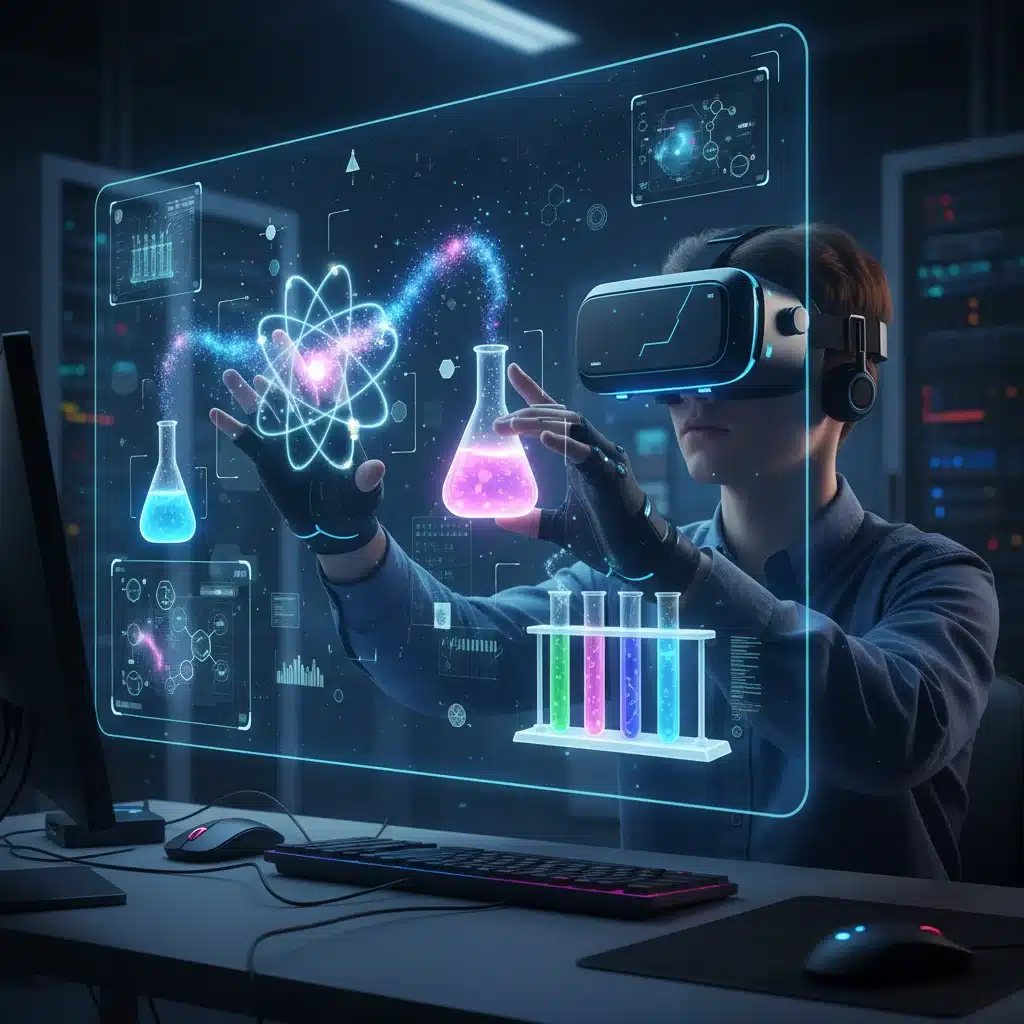
Both AR and VR offer powerful platforms for simulations. Students can practice complex procedures in a safe, controlled virtual environment, from conducting chemistry experiments to learning basic engineering principles. This is particularly valuable for subjects that traditionally require expensive equipment or carry safety risks. For example, aspiring mechanics could practice engine repair in VR, making mistakes without real-world consequences, and learning from them effectively. This practical application is a cornerstone of effective education and a vital aspect of modern K-12 EdTech Trends.
Accessibility and Engagement
Immersive technologies can also enhance accessibility for students with diverse learning needs. Visual learners can benefit from 3D models, while kinesthetic learners can engage with interactive simulations. The novelty and engaging nature of AR/VR can also captivate students who might otherwise struggle with traditional learning methods, fostering a love for discovery and exploration. As hardware becomes more affordable and content more readily available, AR/VR will become an indispensable tool in the K-12 classroom.
Challenges and Future Outlook
Challenges remain, including the cost of hardware, the development of high-quality educational content, and ensuring equitable access. However, as technology progresses and costs decrease, the widespread adoption of AR/VR in K-12 is inevitable. The focus will shift from simply experiencing these technologies to integrating them seamlessly into the curriculum, making them powerful tools for achieving specific learning outcomes. The potential for these immersive K-12 EdTech Trends to transform learning is truly boundless.
3. The Rise of Hybrid Learning Models and Digital Literacy Integration
The distinction between physical and digital learning spaces is blurring, giving rise to sophisticated hybrid learning models that combine the best of both worlds. Coupled with this is the increasing imperative to embed digital literacy as a core competency, not just a supplemental skill. These interconnected trends are reshaping the K-12 educational landscape significantly by 2026, marking a pivotal moment in K-12 EdTech Trends.
Flexible and Blended Learning Environments
Hybrid learning, sometimes referred to as blended learning, involves a thoughtful integration of in-person and online instruction. This isn’t merely about having students attend some classes in person and some remotely; it’s about strategically leveraging digital tools and platforms to enhance the learning experience, regardless of location. For example, students might engage with online modules and collaborative projects at home, then come to school for in-depth discussions, hands-on experiments, or personalized teacher support. This model offers greater flexibility, caters to diverse learning paces, and can make education more resilient to external disruptions.
Digital Citizenship and Media Literacy
As students spend more time interacting with digital content and platforms, fostering strong digital literacy skills becomes paramount. This goes beyond knowing how to use software; it encompasses digital citizenship – understanding responsible online behavior, cyber ethics, privacy, and safety. Furthermore, media literacy is crucial, teaching students to critically evaluate information, identify misinformation, and understand the biases inherent in various digital sources. Schools will increasingly integrate these skills across the curriculum, recognizing that they are essential for navigating the modern world.
Collaborative Tools and Virtual Classrooms
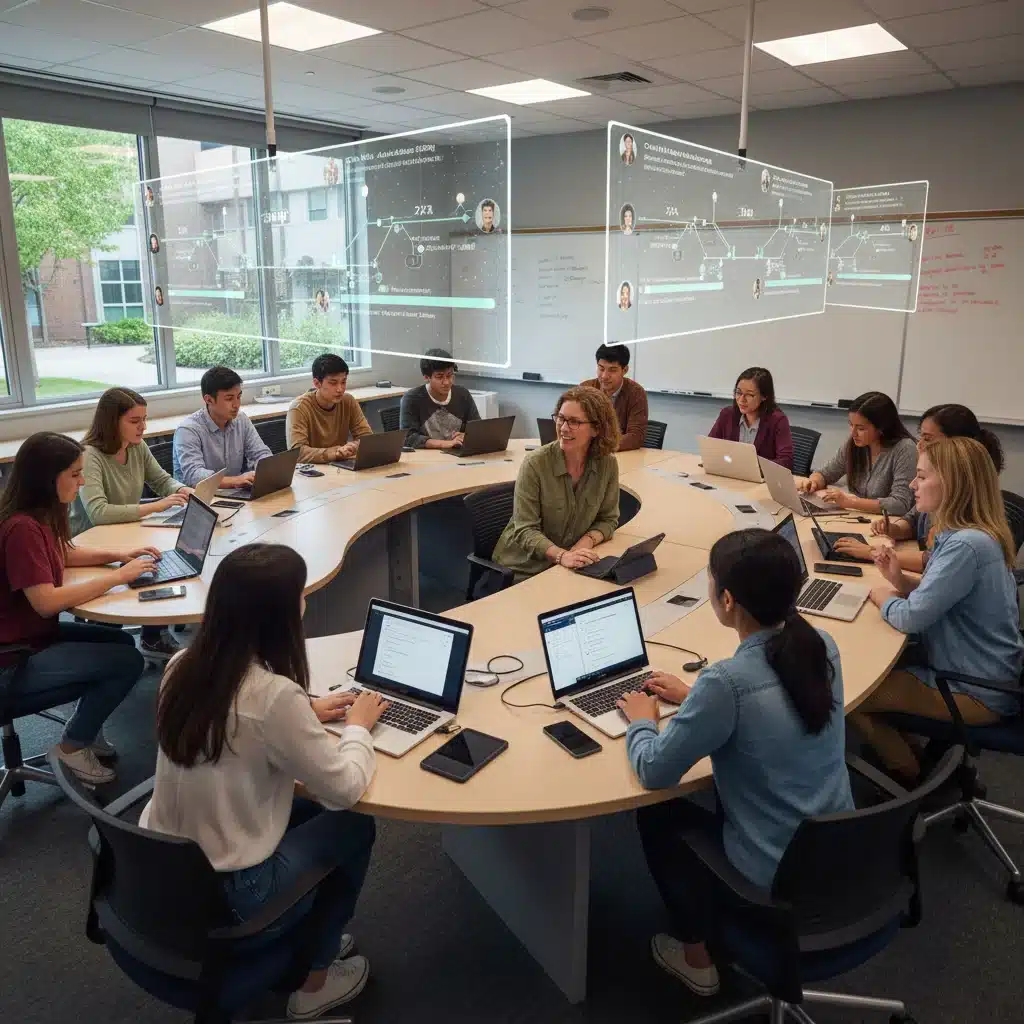
The proliferation of sophisticated collaborative tools and virtual classroom platforms is central to hybrid learning. Tools like shared documents, online discussion forums, video conferencing, and project management software allow students to work together on projects, engage in debates, and receive real-time feedback, irrespective of their physical location. These virtual spaces replicate and often enhance the collaborative aspects of traditional classrooms, preparing students for a future workforce that increasingly relies on remote and hybrid team dynamics. These tools are prime examples of beneficial K-12 EdTech Trends.
Professional Development for Educators
The success of hybrid learning models heavily depends on adequately trained educators. Teachers need ongoing professional development to effectively design and facilitate blended learning experiences, manage digital classrooms, and integrate digital literacy instruction. This includes mastering new technologies, understanding pedagogical shifts, and developing strategies to maintain student engagement and well-being in hybrid environments. Investment in teacher training is a critical component of this trend.
Equity and Access Considerations
While hybrid learning offers numerous benefits, it also highlights existing disparities in access to technology and reliable internet. Ensuring equitable access for all students, regardless of socioeconomic background, is a significant challenge that must be addressed for hybrid models to truly flourish. This includes providing devices, internet hotspots, and support for families to bridge the digital divide. The equitable implementation of these K-12 EdTech Trends is non-negotiable.
4. Data-Driven Instruction and Learning Analytics
In the evolving landscape of K-12 education, the strategic use of data is moving from a peripheral activity to a central pillar of instructional design and student support. By 2026, data-driven instruction and learning analytics will empower educators with unprecedented insights into student progress, curriculum effectiveness, and pedagogical strategies. This shift represents a powerful force among the current K-12 EdTech Trends, enabling more informed decision-making.
Real-time Performance Metrics
Modern learning management systems (LMS) and educational platforms are increasingly sophisticated in collecting and presenting data on student performance. Teachers can access real-time metrics on assignment completion rates, quiz scores, time spent on tasks, engagement with specific content, and even patterns of interaction within collaborative environments. This immediate feedback allows educators to identify learning gaps as they emerge, rather than waiting for summative assessments, enabling timely interventions.
Personalized Interventions and Support
Learning analytics tools go beyond just reporting data; they help interpret it. By identifying trends and patterns, these tools can flag students who might be struggling, predict future performance, or suggest specific interventions. For example, if a student consistently performs poorly on questions related to a particular concept, the system might recommend additional resources, practice problems, or a one-on-one session with the teacher. This proactive, data-informed approach ensures that support is targeted and effective, maximizing student success.
Curriculum Optimization
Data-driven insights are not only beneficial for individual students but also for optimizing the curriculum itself. By analyzing aggregated data across classes or cohorts, educators and curriculum developers can identify which teaching methods are most effective, which content areas are consistently challenging, and where the curriculum might need adjustments. This iterative process of data collection, analysis, and refinement leads to a continuously improving educational experience, a hallmark of effective K-12 EdTech Trends.
Teacher Professional Development Tailoring
Beyond student and curriculum insights, learning analytics can also inform professional development for teachers. By observing patterns in instructional effectiveness (e.g., student outcomes linked to certain teaching strategies or resource utilization), school leaders can identify areas where teachers might benefit from additional training or support. This creates a feedback loop that fosters continuous improvement across the entire educational institution.
Ethical Data Use and Privacy
The collection and use of student data raise critical ethical concerns regarding privacy and security. Schools must implement robust data governance policies, ensure compliance with relevant regulations (e.g., FERPA), and maintain transparency with students and parents about how data is collected, stored, and utilized. The focus must always be on using data to benefit the student, not to exploit or categorize them unfairly. Trust in these systems is paramount for the successful integration of data-driven K-12 EdTech Trends.
5. Gamification and Game-Based Learning for Engagement
Engaging students is a perennial challenge in education, and by 2026, gamification and game-based learning will be recognized as potent strategies for addressing this. Moving beyond simple educational games, this trend involves integrating game elements and full-fledged learning games into the core curriculum, transforming how students interact with content and motivating deeper learning. This is a crucial element among the impactful K-12 EdTech Trends.
Gamification: Applying Game Mechanics to Learning
Gamification involves applying game-design elements and game principles in non-game contexts. In education, this means incorporating features like points, badges, leaderboards, levels, rewards, and narratives into the learning process. For example, a classroom might have a ‘quest’ system where students earn points for completing assignments, unlock ‘achievements’ for mastering skills, and progress through ‘levels’ as they advance through a unit. This taps into students’ natural desire for accomplishment, competition, and progression, making learning feel less like a chore and more like an exciting challenge.
Game-Based Learning: Learning Through Play
Game-based learning, in contrast, involves using actual educational games designed to teach specific concepts or skills. These aren’t just games with an educational veneer; they are meticulously crafted experiences where the learning is inherent in the gameplay. For instance, a history game might require students to make strategic decisions that impact the course of a historical event, forcing them to understand cause and effect. A math game might present complex problems within a compelling narrative, making problem-solving an engaging adventure. These games provide immediate feedback, allow for safe experimentation, and encourage iterative learning through trial and error.
Fostering 21st-Century Skills
Beyond content mastery, gamification and game-based learning are excellent vehicles for developing critical 21st-century skills. Many educational games require problem-solving, critical thinking, strategic planning, collaboration (in multiplayer games), and resilience in the face of failure. Students learn to analyze situations, adapt their strategies, and work effectively with peers – skills that are invaluable in both academic and professional settings. These skills are essential for navigating the modern world and are strongly supported by these innovative K-12 EdTech Trends.
Increased Motivation and Retention
The primary benefit of this trend is increased student motivation and engagement. When learning is fun and challenging in a meaningful way, students are more likely to invest time and effort, leading to better retention of information. The intrinsic rewards of progress and mastery, coupled with extrinsic rewards like badges or leaderboards, create a powerful motivational loop. This can be particularly effective for subjects that students traditionally find difficult or uninteresting.
Designing Effective Gamified Experiences
For gamification and game-based learning to be effective, they must be thoughtfully designed and integrated. Simply adding points to assignments isn’t enough. Educators need to understand game design principles, ensure that the learning objectives are aligned with the game mechanics, and provide opportunities for reflection and debriefing. The focus should always be on leveraging game elements to enhance learning, not merely to entertain. The successful implementation of these K-12 EdTech Trends hinges on thoughtful design.
Conclusion: Navigating the Future of K-12 Education with EdTech
The journey towards 2026 promises a dynamic and transformative era for K-12 education, largely powered by the five K-12 EdTech Trends we’ve explored. Artificial Intelligence will personalize learning to an unprecedented degree, understanding and adapting to each student’s unique needs. Immersive AR and VR technologies will break down the walls of the classroom, transporting students to new worlds and making abstract concepts vividly real. Hybrid learning models will offer unparalleled flexibility and resilience, blending the best of in-person and online instruction. Data-driven analytics will provide educators with profound insights, enabling targeted interventions and continuous curriculum improvement. Finally, gamification and game-based learning will ignite student motivation and foster critical 21st-century skills through engaging, playful experiences.
These trends are not isolated phenomena; they are interconnected forces that will collectively reshape the pedagogical landscape. As these technologies mature and become more accessible, they hold the potential to address long-standing challenges in education, from engagement and equity to individualized support and skill development. However, the success of this transformation hinges on several critical factors: thoughtful implementation, robust professional development for educators, equitable access for all students, and a continuous focus on ethical considerations, particularly data privacy and algorithmic bias.
For educators, this future demands adaptability, a willingness to embrace new tools, and a commitment to leveraging technology to amplify human connection and instruction. For policymakers, it necessitates strategic investment in infrastructure, teacher training, and the development of supportive frameworks. For parents and students, it heralds a more engaging, personalized, and effective learning journey.
The future of K-12 education is not just about technology; it’s about empowering every student to reach their full potential in an increasingly complex world. By understanding and strategically adopting these pivotal K-12 EdTech Trends, we can collectively build a more innovative, equitable, and effective educational system for generations to come. The classroom of 2026 will be a vibrant hub of discovery, collaboration, and personalized growth, driven by the intelligent integration of technology.